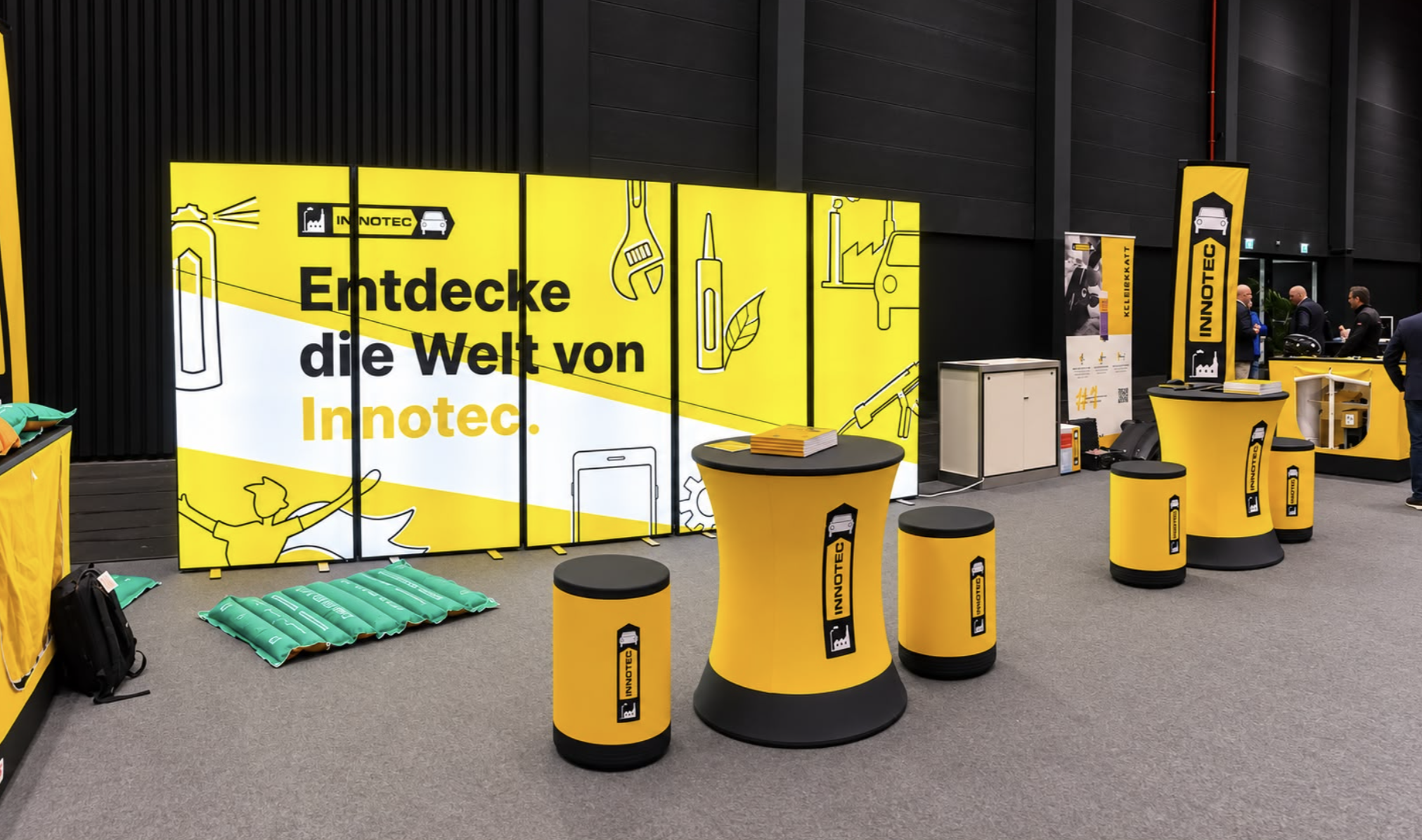

How much exhibition space do you really need?
4, 9, 15, or 24 square meters? The size of a trade show booth alone says little about how well it works. What matters is what’s supposed to happen in that space—and how skillfully you use the available space. <br/>A counter, two bar stools, a screen, a few seats and some space somewhere for brochures and promotional giveaways. What easily fits into nine square meters on paper can quickly become quite cramped in practice.<br/> Anyone planning a trade show booth should therefore not start by thinking about furniture and equipment. The much more important question is: What do we want to achieve at the trade show and what do we actually need to make that happen?
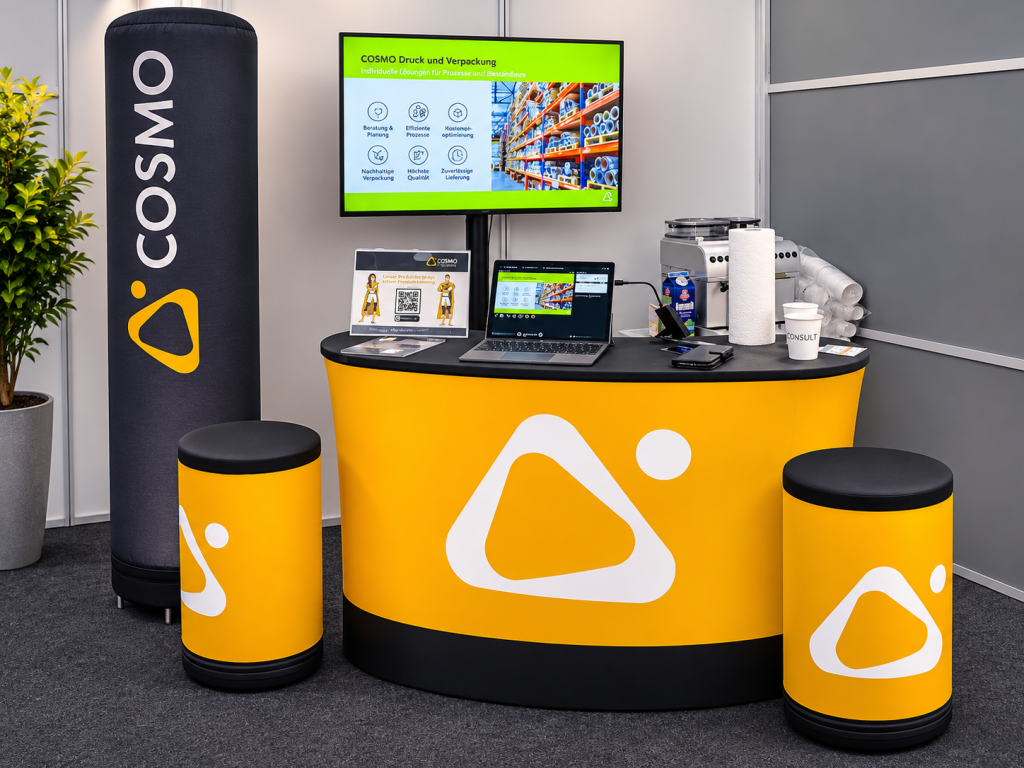
Up to 6 m²: Fewer amenities, more freedom of movement
Up to 6 m²: Less equipment, more freedom of movement. Not everything has to be possible in a small booth space. Often, it’s enough to create a clearly visible focal point where visitors can easily strike up a conversation.
The focus is on a clearly recognizable brand message, an appropriate interaction space and sufficient freedom of movement. There is usually no room here for large meeting areas or extensive product presentations.
The focus is on a clearly recognizable brand message, an appropriate interaction area, and sufficient space to move around. There is usually no room here for large meeting areas or extensive product presentations. Above all, it is important that the limited space — just a few square meters — is not cluttered with oversized furniture. A counter should also be positioned so that it does not deter visitors from entering the booth.
9 to 12 m²: A Balance Between Visibility and Function
As the space increases, so do the possibilities — but so does the temptation to fit in as much as possible.
In a space of about nine to twelve square meters, you can create room for small presentations or brief consultations in addition to a reception area. It makes sense to distinguish between areas intended to attract attention and those where actual work takes place.
For example, a clearly visible back wall helps visitors find their way around. However, it shouldn’t be overloaded with information. A clear message that can be seen from a few meters away can be more effective than a wall covered in text and product details.
Equally important: Make sure to allow enough space for visitors. After all, a booth where two prospective customers and two employees are already getting in each other’s way can only serve its purpose to a limited extent.
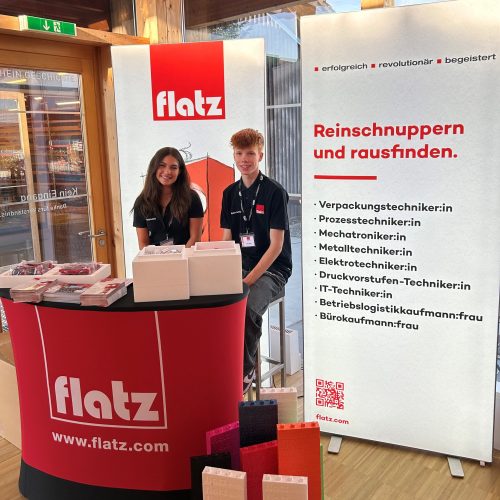
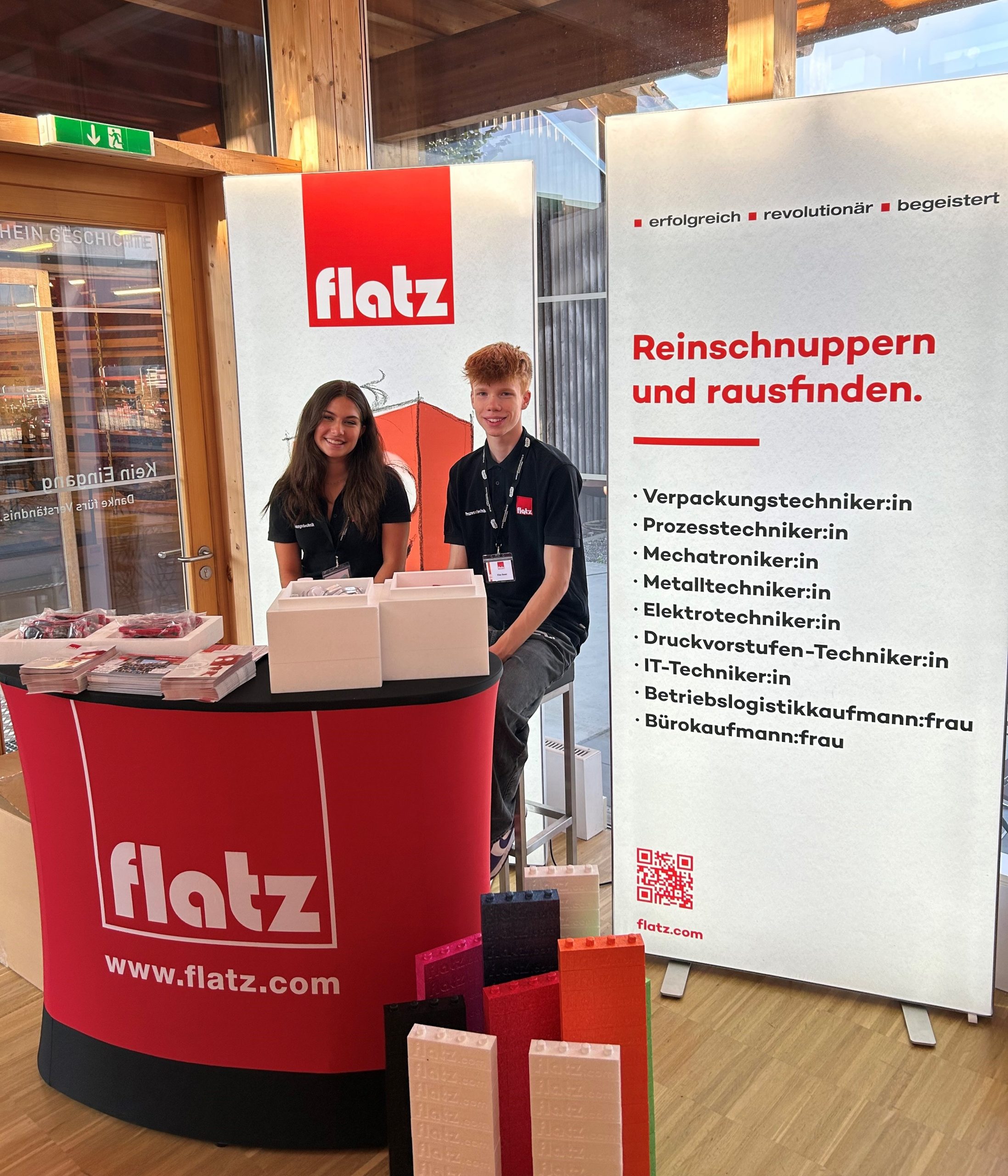
Messestand

Oberbank_2025
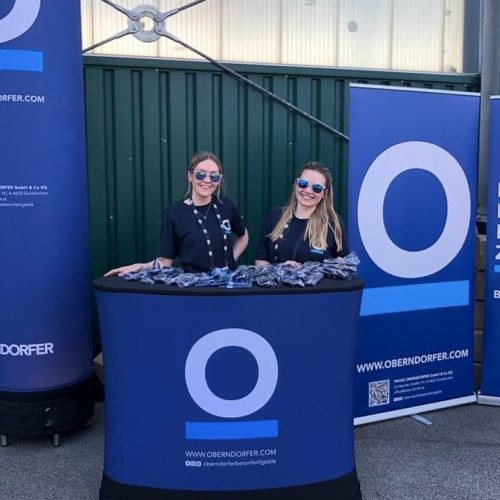
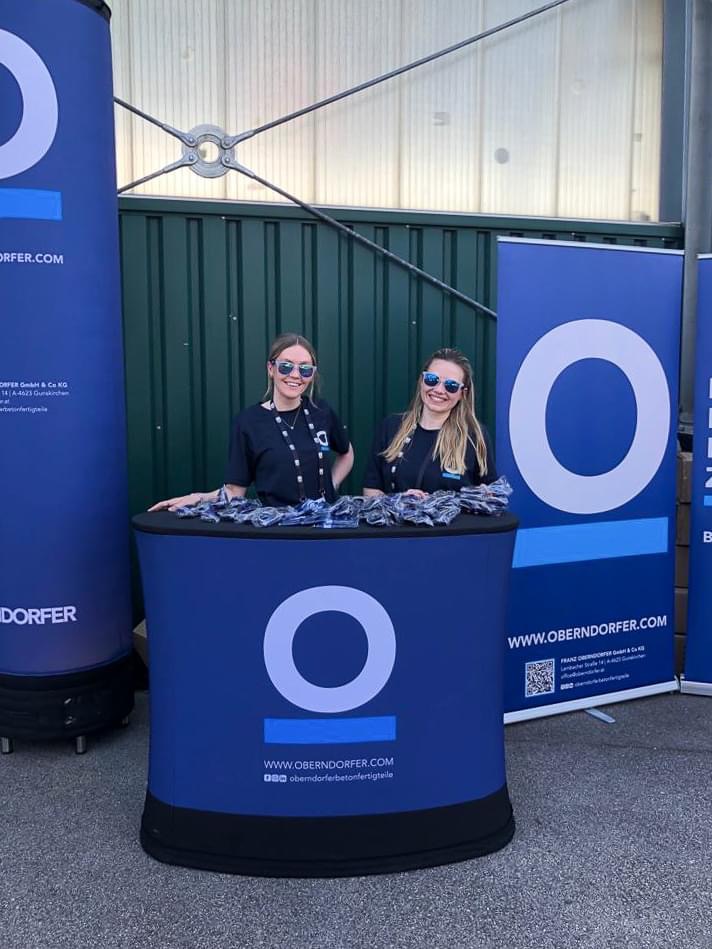
Oberndorfer_2022 (2)
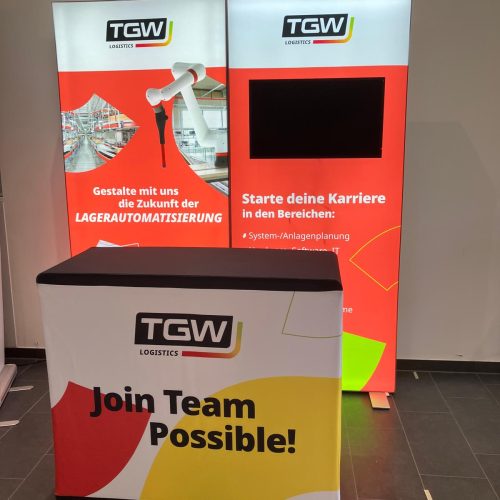
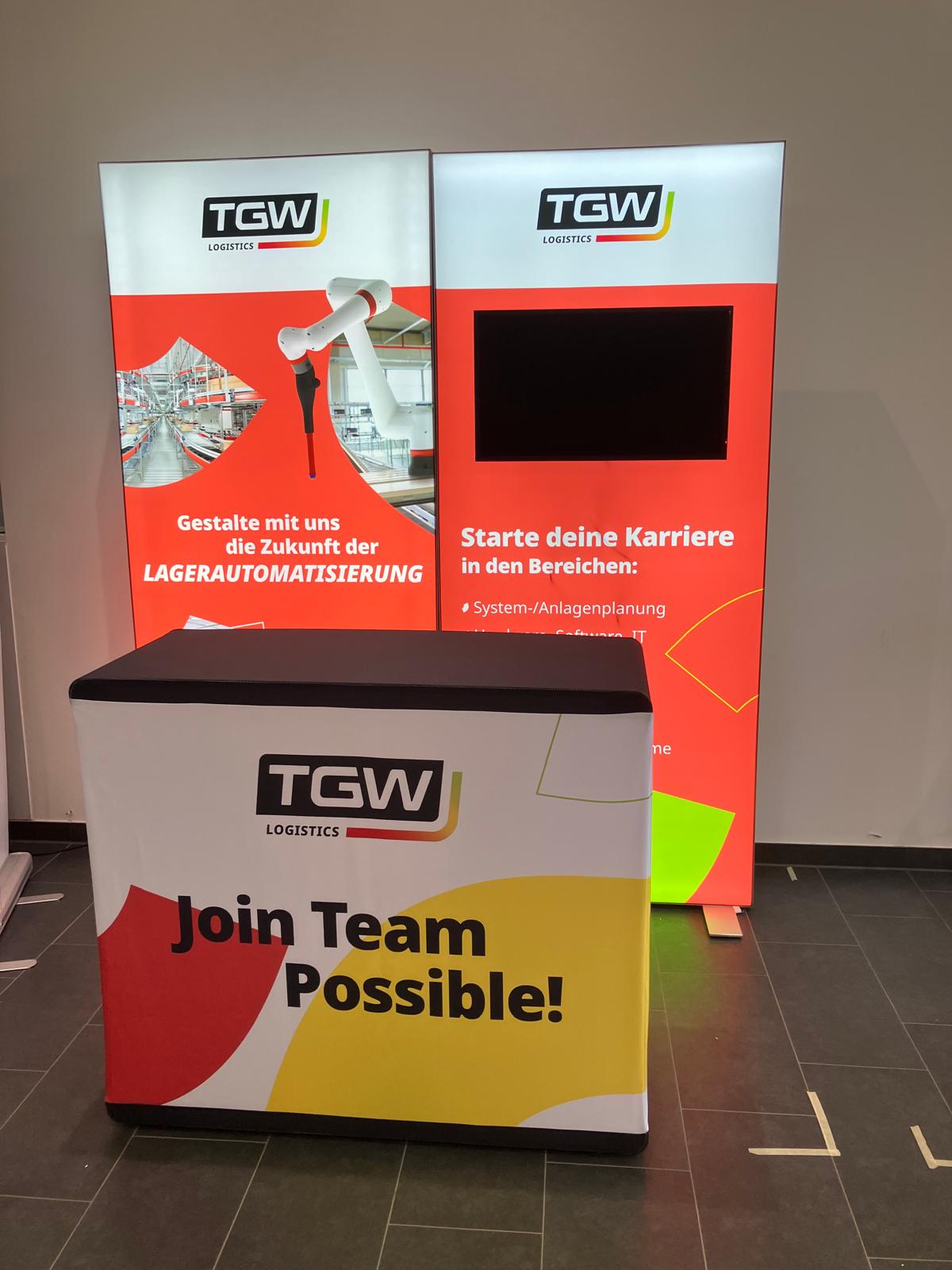
TGW Karrieremesse
15 bis 20 m²: Unterschiedliche Bereiche schaffen
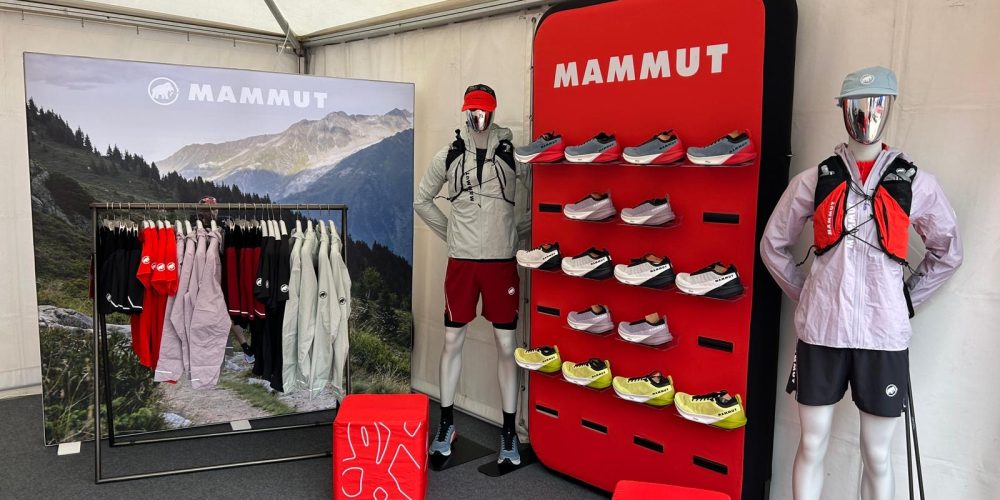
Once a booth reaches a certain size, it becomes worthwhile to separate individual functions from one another spatially.
An open reception area can be combined with a presentation space. Next to it, an area can be set up for longer conversations without every visitor automatically becoming part of the conversation.
This separation is particularly useful for products or services that require in-depth consultation. Not every conversation requires a table and four chairs. Conversely, a brief exchange at a counter isn’t always the right setting for a detailed discussion with a customer.
The trick is to accommodate these different situations without turning the trade show booth into a jumble of furniture.
24 m² and up: More space requires more planning
A larger booth offers additional possibilities. However, it doesn’t automatically work better.
If you want to accommodate multiple visitors at the same time, you need to coordinate walkways, conversation areas, and presentation spaces. Practical considerations such as power supply, screen placement, and storage space also become more important.
One aspect that is often underestimated is storage space. Jackets, bags, packaging and promotional materials all take up space. Without proper storage, these items quickly end up where no one wants to see them.
Larger exhibition spaces also allow for a more open layout. Not every square meter needs to be filled with exhibits. Open spaces make it easier for visitors to find their way around and create room for them.
Above all, an exhibition booth must be suited to its intended purpose
There is no one-size-fits-all answer for the optimal booth size. A company that primarily wants to make initial contacts at a career fair has different needs than an exhibitor who is presenting complex products or wants to conduct multiple client meetings at the same time.
In addition to the floor space, the number of booth staff, the expected number of visitors, and the type of event also play a role. Last but not least, it makes a difference whether a trade show booth is used just once or several times a year.
Modular trade show systems can be an attractive solution, especially for companies that regularly exhibit at various trade shows. They allow companies to rearrange individual elements depending on the available space, rather than having to purchase a completely new booth for each event.
Our tip: Don’t plan your trade show booth based on the available space, but rather on the tasks it needs to fulfill. The right equipment usually falls into place on its own.
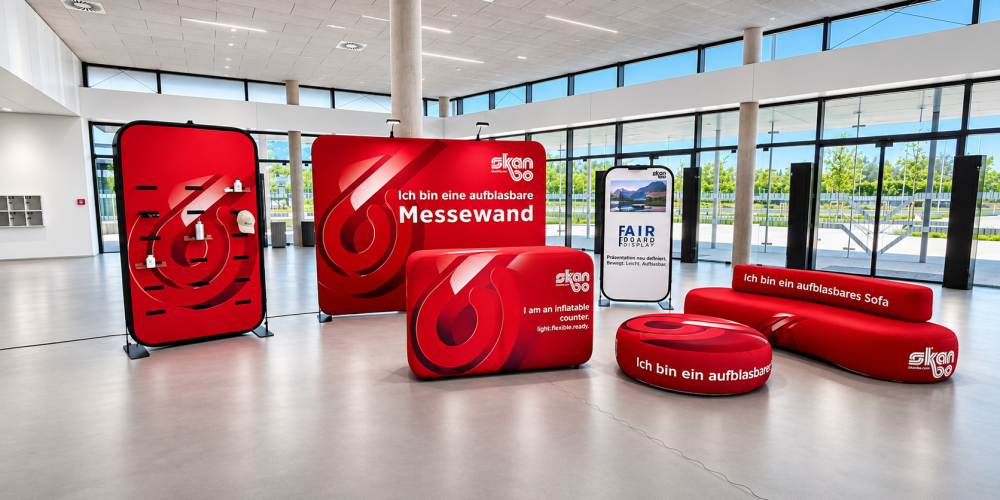


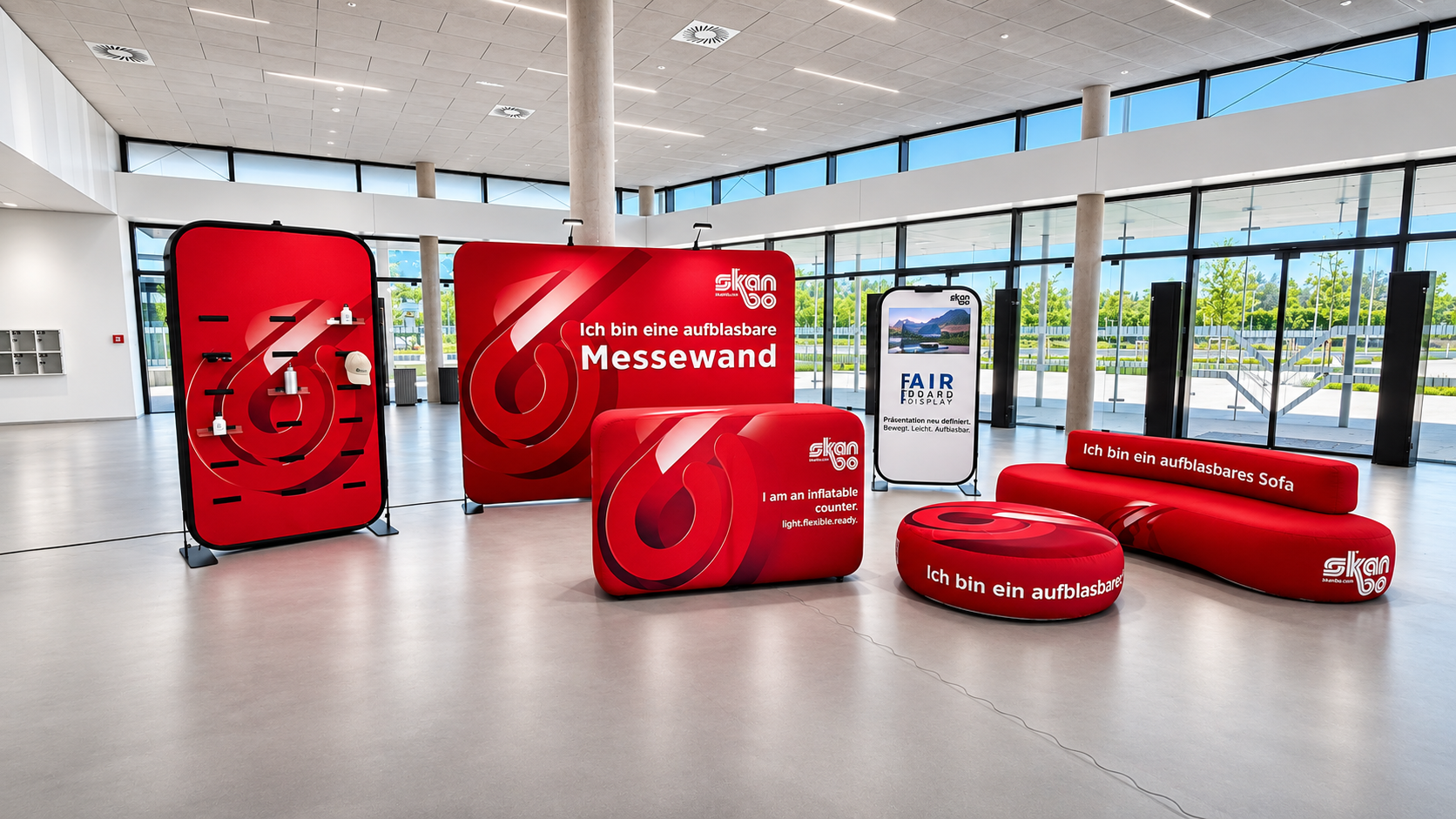
High-quality red Skanbo exhibition booth
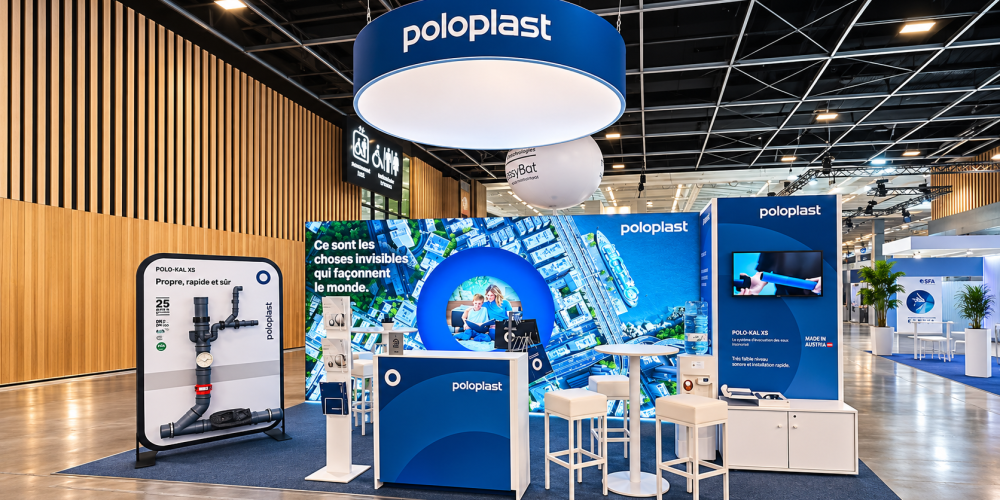

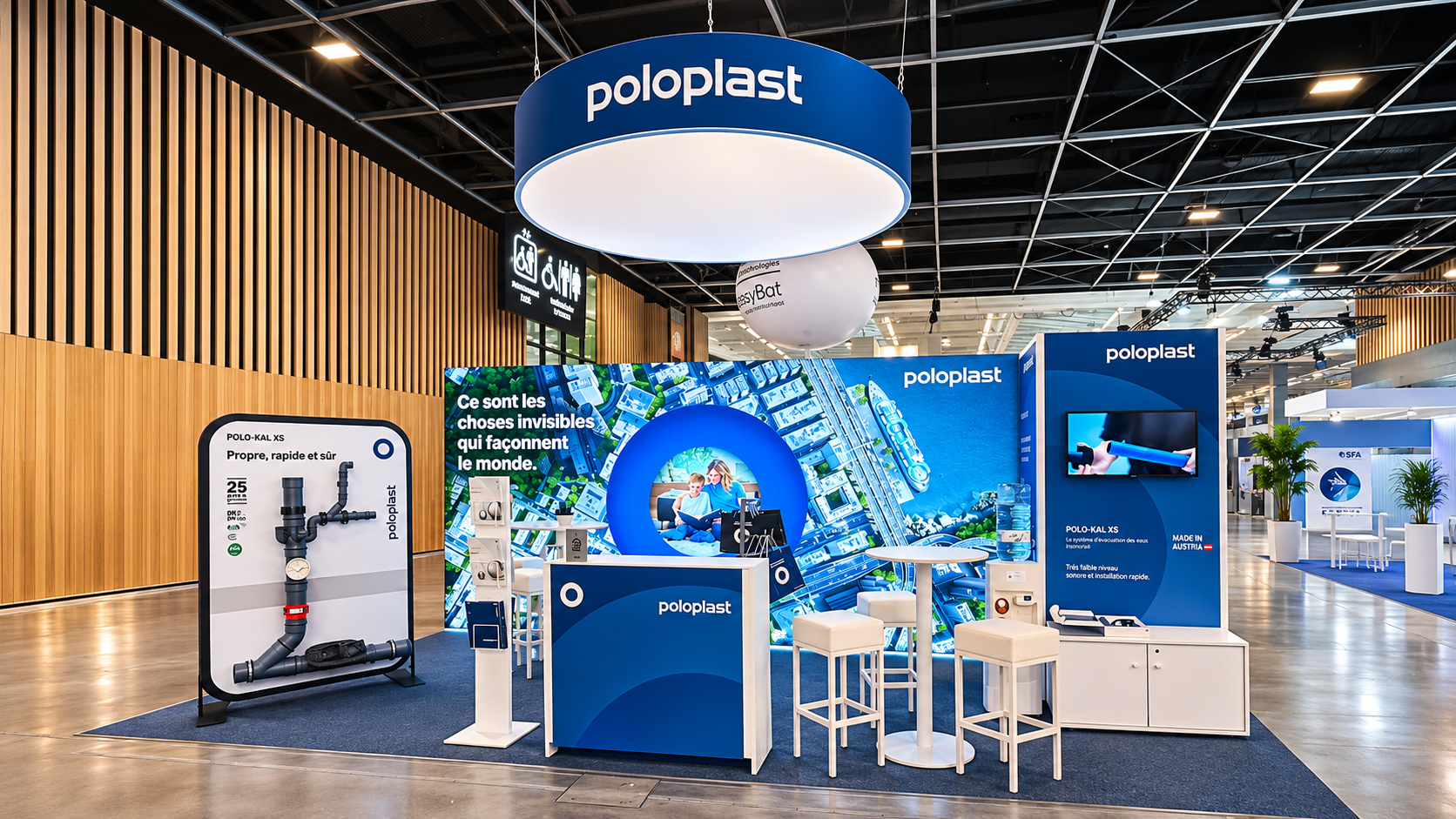
Poloplast Messestand im modernen Messeambiente
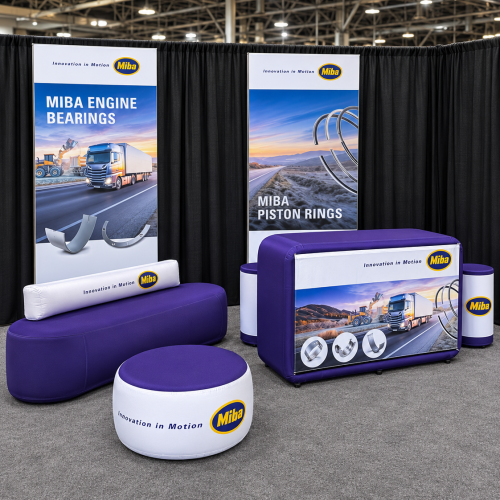

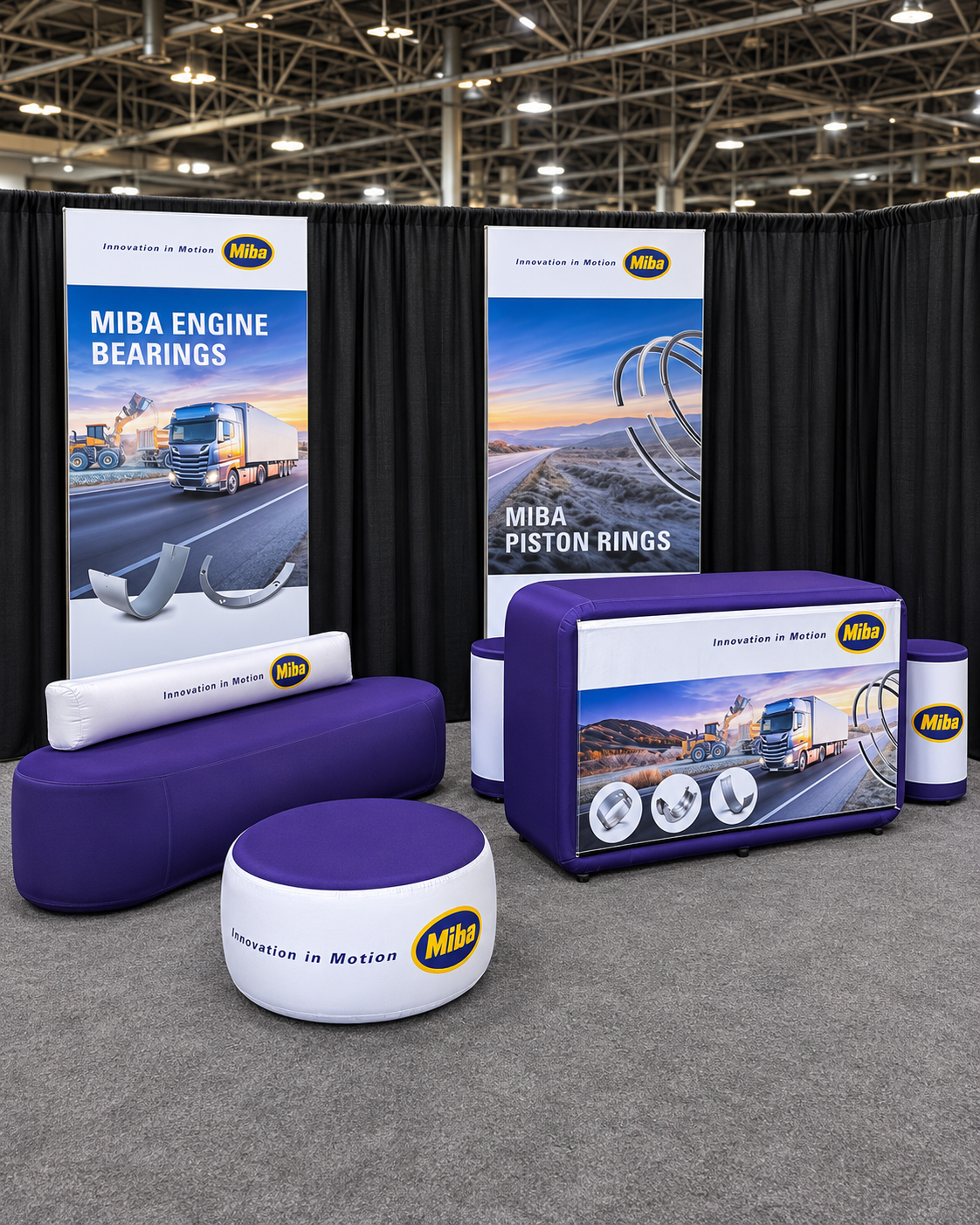
Miba trade show Las Vegas
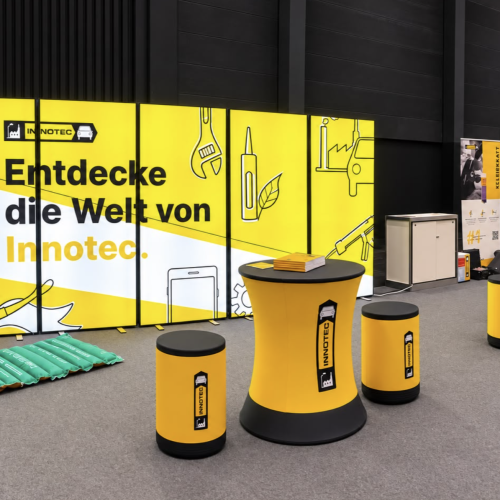

image001
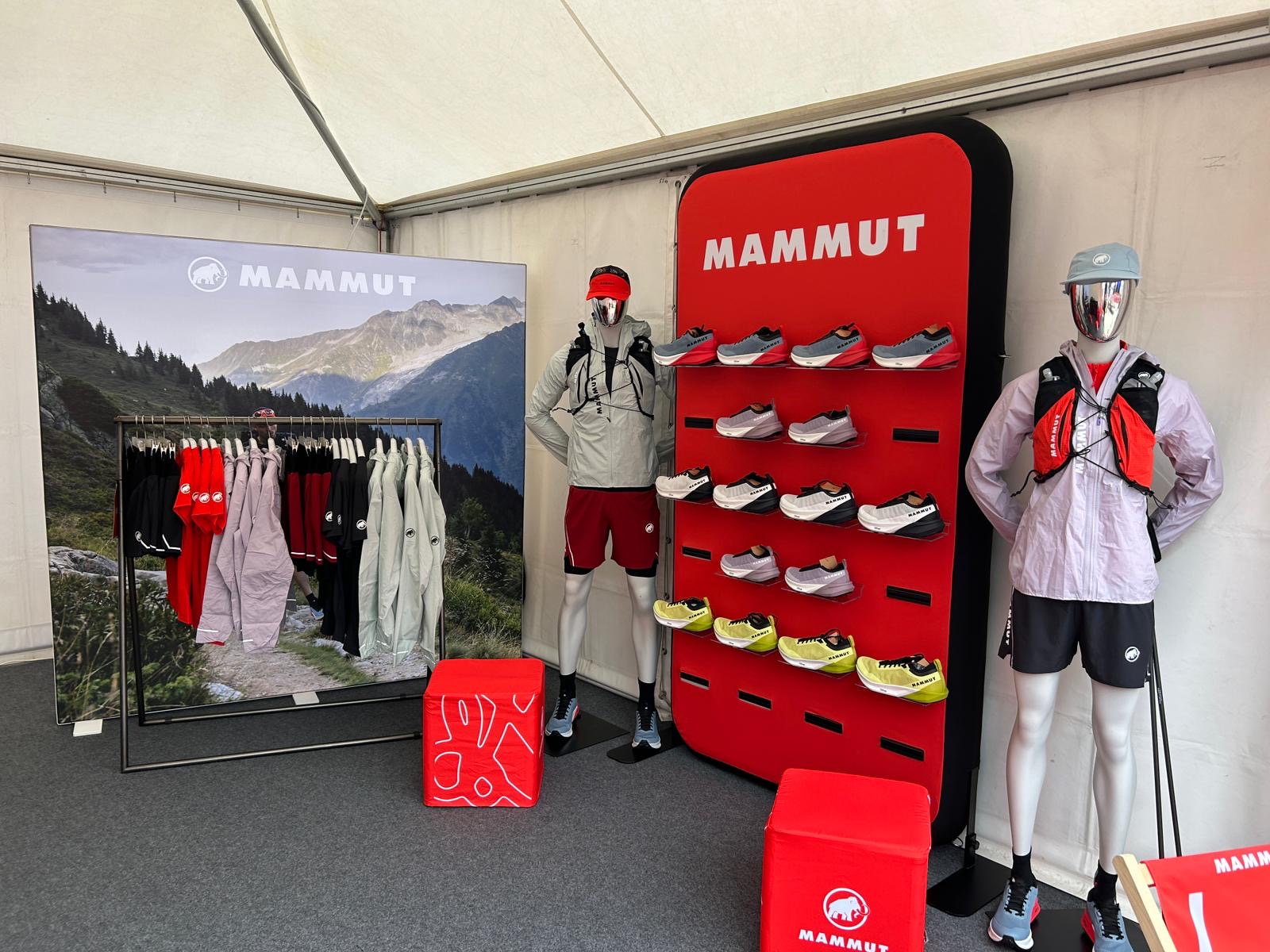
MAMMUT PS Airboard
Unbreakable
Are you planning your next trade show appearance? Skanbo can help you put together the right equipment for your booth space and your needs—from a compact promotional kit to a larger modular trade show booth.